Website Tracking

Wednesday, December 6, 2023

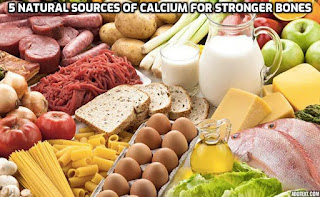
5 Natural Sources of Calcium for Stronger Bones


5 Natural Sources of Calcium for Stronger Bones" - This blog post explores the different foods and supplements that are high in calcium, such as leafy greens, dairy products, and certain types of fish. It also provide tips for incorporating these foods into a balanced diet for optimal bone health.


Click HERE To Uncover the Secrets of Strong Bones & Healthy Joints

Listen on Spotify

Maintaining strong and healthy bones is essential for overall well-being, and calcium plays a pivotal role in achieving this. While many people associate calcium primarily with dairy products, there are numerous natural sources of this vital mineral that can be easily incorporated into a balanced diet.

In this blog post, we’ll explore five natural sources of calcium that can contribute to stronger bones.

  1. Leafy Greens: Leafy green vegetables are not only rich in vitamins and minerals but also serve as excellent sources of calcium.

Vegetables such as kale, broccoli, collard greens, and bok choy are loaded with bioavailable calcium that the body can readily absorb.

Including a variety of these greens in salads, smoothies, or stir-fries can boost your daily calcium intake.

  • Dairy Products: Dairy products remain one of the most well-known sources of calcium.

Milk, yogurt, and cheese are not only rich in calcium but also provide a good dose of vitamin D, which aids in calcium absorption.

For those who are lactose intolerant or follow a plant-based diet, there are alternative sources such as fortified plant milks and yogurts.

  • Fish with Edible Bones: Certain types of fish come with the added benefit of edible bones, providing an extra calcium boost. Canned salmon and sardines are excellent examples.

These small, nutrient-dense fish not only offer omega-3 fatty acids but also a significant amount of calcium. Incorporating them into your diet, whether in salads or sandwiches, is a tasty way to support bone health.

  • Nuts and Seeds: Almonds, chia seeds, and sesame seeds are rich in calcium and make for convenient snacks or additions to various dishes.

Incorporating these nuts and seeds into your diet can not only contribute to your calcium intake but also provide additional nutrients like magnesium and phosphorus, which are essential for bone health.

  • Fortified Foods: In addition to naturally occurring sources of calcium, many foods are fortified with this crucial mineral. Common examples include fortified cereals, tofu, and certain types of fruit juices.

Checking food labels for calcium content and opting for fortified options can be a simple and effective way to enhance your overall calcium intake.

Tips for Incorporating Calcium-Rich Foods into Your Diet:

  • Diversify Your Plate: Aim for a variety of calcium-rich foods to ensure you get a broad spectrum of nutrients.
  • Cooking Methods: Explore different cooking methods to make these foods more appealing, such as roasting vegetables or incorporating nuts and seeds into recipes.
  • Meal Planning: Plan meals that incorporate calcium-rich foods, ensuring you meet your daily requirements.
  • Supplementation: If necessary, consult with a healthcare professional about calcium supplements to meet your specific needs.

In addition to dietary choices, adopting certain lifestyle habits can further enhance the effectiveness of your efforts to maintain strong bones.

Regular Exercise: Engaging in weight-bearing exercises, such as walking, jogging, or weightlifting, can help stimulate bone growth and increase bone density.

Combine these activities with muscle-strengthening exercises for a comprehensive approach to bone health.

Remember to consult with a fitness professional or healthcare provider to tailor an exercise regimen suitable for your individual needs.

Adequate Vitamin D Intake: Vitamin D is essential for calcium absorption in the body. Spending time outdoors in the sunlight is a natural way to boost your vitamin D levels.

Additionally, include vitamin D-rich foods like fatty fish, egg yolks, and fortified dairy or plant-based products in your diet. If necessary, vitamin D supplements may be recommended, especially for individuals with limited sun exposure.

Limiting Caffeine and Soda Intake: High consumption of caffeine and soda has been associated with decreased calcium absorption.

Consider moderating your intake of these beverages and, when possible, opting for alternatives like herbal teas or water to support optimal calcium absorption.

Avoiding Excessive Alcohol: Heavy alcohol consumption can negatively impact bone health by interfering with the body’s ability to absorb calcium.

If you choose to consume alcohol, do so in moderation, following recommended guidelines to minimize its potential impact on your bones.

Regular Health Check-ups: Regular check-ups with your healthcare provider can help monitor your bone health and identify any potential issues early on. This is particularly important for individuals with specific risk factors, such as a family history of osteoporosis or certain medical conditions.

Remember, maintaining strong bones is a lifelong commitment that requires a combination of proper nutrition, regular exercise, and a healthy lifestyle.

By incorporating these practices into your daily routine, you can take proactive steps toward ensuring the longevity and strength of your bones.

Watch this video – Strengthen your bones the natural way | Dr. Hansaji Yogendra


In conclusion, the quest for stronger bones involves a holistic approach that goes beyond merely focusing on calcium-rich foods.

By embracing a well-rounded lifestyle that includes a diverse diet, regular exercise, and mindful choices, you can lay a foundation for robust bone health throughout your life.

If you have specific concerns or conditions related to bone health, consult with healthcare professionals for personalized advice and guidance tailored to your individual needs.

Click HERE To Uncover the Secrets of Strong Bones & Healthy Joints


Monday, December 4, 2023

How a Vegan Diet Can Transform Your Skin Health


How a vegan diet can transform your skin health. In this blog post, we'll explore the myriad benefits of a vegan diet on skin health, revealing how this lifestyle choice can unlock the secret to radiant, glowing skin.


Click HERE To Discover How Vegan Diet Can Improve Your Overall Health

Listen on Spotify

Unveiling the Radiance: Vegan Diet and Skin Health

Introduction

In a world where beauty standards are constantly evolving, one trend that has gained significant traction is the embrace of a vegan lifestyle.

Beyond its positive impact on the environment and animal welfare, adopting a vegan diet can work wonders for your skin.

The saying “you are what you eat” holds true, especially when it comes to the health and appearance of your skin.

In this blog post, we’ll explore the myriad benefits of a vegan diet on skin health, revealing how this lifestyle choice can unlock the secret to radiant, glowing skin.

Nourishment from Within

The foundation of healthy skin lies in proper nourishment, and a vegan diet offers a treasure trove of essential nutrients.

Fruitsvegetablesnutsseeds, and whole grains are rich in vitamins, minerals, and antioxidants crucial for skin health.

These nutrients help combat free radicals, support collagen production, and promote overall skin resilience.

A diet abundant in plant-based foods ensures that your skin receives the building blocks it needs to stay supple and youthful.

Inflammation Reduction

Inflammatory responses in the body can manifest on the skin, leading to conditions such as acneeczema, and psoriasis.

By eliminating animal products, which are often linked to inflammation, a vegan diet can help reduce the frequency and severity of these skin issues.

Plant-based foods, with their anti-inflammatory properties, contribute to a calmer complexion, allowing your skin to thrive without the burden of chronic inflammation.

Hydration Boost

Proper hydration is essential for maintaining skin elasticity and preventing dryness. A vegan diet, inherently high in water-rich fruits and vegetables, helps keep your skin hydrated from the inside out.

Unlike some animal-based products that may contribute to dehydration, plant-based foods support optimal water balance, leaving your skin looking plump and revitalized.

Omega-3 Fatty Acids for Skin Brilliance

Omega-3 fatty acids are renowned for their anti-inflammatory properties and their ability to promote skin health.

While fish is a common source of omega-3s, a vegan diet offers alternative options such as flaxseeds, chia seeds, hemp seeds, and walnuts.

These plant-based sources not only provide the essential fatty acids your skin craves but also contribute to a radiant complexion by maintaining skin cell integrity.

Say Goodbye to Dairy-Related Issues

Dairy products have been linked to various skin issues, including acne and inflammation. The hormones present in dairy can disrupt the balance of your skin, leading to breakouts and blemishes.

By choosing a vegan diet, you eliminate these potential triggers, allowing your skin to breathe and flourish without the interference of hormonal disruptions.

Collagen Boost without Animal Products

Collagen is a key component for maintaining skin elasticity and reducing the signs of aging. Contrary to popular belief, you don’t need animal products to boost collagen production.

vegan diet supports collagen synthesis through the consumption of vitamin C-rich fruits and vegetables, as well as foods containing amino acids like proline and lysine found in legumes, seeds, and grains.

Watch this video – Healthy Skin – Plant Based Diet Tips for Healthy Skin


Conclusion

In conclusion, the benefits of adopting a vegan diet for skin health are not only promising but backed by science.

From providing essential nutrients and reducing inflammation to boosting hydration and supporting collagen production, a plant-based lifestyle can be the key to unlocking your skin’s natural radiance.

Embracing veganism is not just a dietary choice; it’s a holistic approach to beauty that extends beyond personal well-being to the well-being of the planet.

So, the next time you’re savoring a colorful plate of plant-based goodness, know that you’re not just nourishing your body but also enhancing the glow of your skin from within.

Click HERE To Discover How Vegan Diet Can Improve Your Overall Health


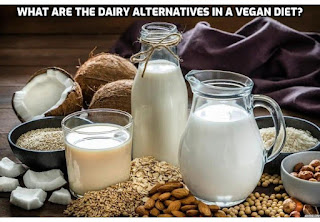
What are the Dairy Alternatives in a Vegan Diet?


One of the pivotal aspects of adopting a vegan lifestyle involves navigating the world of dairy alternatives, a realm bursting with innovative and delicious options. What are the dairy alternatives in a vegan diet?


Click HERE To Discover How Vegan Diet Can Improve Your Overall Health

Listen on Spotify

Vegan Diet and Dairy Alternatives

Exploring Vegan Delights: The Vegan Diet and Dairy Alternatives

In the ever-evolving landscape of dietary choices, the vegan diet stands out as a beacon of health, sustainability, and ethical living.

One of the pivotal aspects of adopting a vegan lifestyle involves navigating the world of dairy alternatives, a realm bursting with innovative and delicious options.

Join us on a journey of culinary exploration as we unveil the richness of the vegan diet and the diverse tapestry of dairy alternatives that accompany it.

The Vegan Diet: A Compassionate Culinary Odyssey

Embracing a Plant-Powered Lifestyle

At its core, the vegan diet champions the exclusion of animal products, centering meals around plant-based ingredients.

The benefits extend beyond personal health, encompassing environmental sustainability and ethical considerations.

As individuals embark on this culinary odyssey, they discover a wealth of flavors, textures, and nutritional benefits that go hand-in-hand with a compassionate lifestyle.

Nutritional Bounty of Plant-Based Fare

Contrary to misconceptions, a well-balanced vegan diet provides all the essential nutrients the body needs.

From protein-packed legumes to vitamin-rich fruits and vegetables, the array of plant-based options ensures a diverse and nutrient-dense culinary experience.

Navigating the World of Dairy Alternatives

Ditching Dairy: A Gateway to Health

While dairy has long been a dietary staple for many, the rise of dairy alternatives offers a compelling reason to explore beyond traditional choices.

Whether driven by lactose intolerance, ethical concerns, or a desire to embrace a vegan lifestyle, the world of dairy alternatives has flourished, presenting a myriad of options for those seeking both health and indulgence.

Plant-Powered Milk Alternatives

Say goodbye to cow’s milk and welcome a spectrum of plant-based milk alternatives.

Almond milk, soy milk, oat milk, and coconut milk stand as versatile substitutes, each bringing its unique flavor profile and nutritional benefits.

Rich in vitamins, these alternatives seamlessly integrate into daily recipes, from coffee to cereal.

Crafting Culinary Masterpieces with Dairy Alternatives

The Creaminess of Vegan Cheeses

Bid farewell to the notion that vegan cheese lacks flavor and creaminess.

Innovative culinary artisans have crafted a plethora of vegan cheese alternatives that not only mimic the taste and texture of traditional cheese but also boast unique, plant-powered nuances.

From cashew-based spreads to almond-milk mozzarella, the options are as diverse as they are delectable.

Dessert Delights Sans Dairy

Indulging in sweet treats need not involve dairy.

Vegan desserts have transcended expectations, with dairy-free ice creams, almond milk puddings, and coconut milk-based chocolates becoming staples in the world of guilt-free indulgence.

These treats not only satisfy cravings but also contribute to a compassionate and sustainable approach to dessert.

Tips for Seamless Integration

Experimentation is Key

Embarking on a journey with veganism and dairy alternatives invites experimentation.

Explore different plant-based milks to find your favorite coffee companion or sample various vegan cheeses to discover the perfect pizza topping.

The world of flavors is vast, and embracing variety adds vibrancy to your culinary repertoire.

Read Labels Mindfully

As the popularity of veganism and dairy alternatives grows, so does the market.

Be a discerning consumer by reading labels attentively.

Opt for alternatives fortified with essential nutrients like calcium and vitamin D to ensure a nutritionally balanced choice.

Watch this video – How healthy are meat and dairy alternatives?


Conclusion: A Symphony of Flavor and Compassion

In conclusion, the marriage of the vegan diet and dairy alternatives is a symphony of flavor, health, and compassion.

As individuals explore the diverse culinary landscape of plant-based living, they discover not only the richness of alternatives but also the profound impact of their choices on personal well-being and the planet.

Click HERE To Discover How Vegan Diet Can Improve Your Overall Health


Thursday, November 30, 2023

15 Wallet-Friendly Vegan Recipes that Won’t Break the Bank


15 wallet-friendly vegan recipes that won't break the bank. They are delicious and easy to prepare. With a bit of planning and creativity, you can enjoy a variety of nutritious plant-based dishes without straining your wallet.


Click HERE To Discover How Vegan Diet Can Improve Your Overall Health

Watch on Spotify

Vegan Diet and Budget-Friendly Meals

Adopting a vegan diet can be not only nutritious but also budget-friendly.

Here are some wallet-friendly vegan meal ideas that won’t break the bank:

1. Chickpea and Vegetable Stir-Fry:

Ingredients:

  • Canned chickpeas
  • Mixed frozen vegetables
  • Soy sauce
  • Garlic powder
  • Sesame oil (optional)
  • Brown rice (affordable whole grain)

Instructions:

  1. Sauté mixed frozen vegetables in a pan.
  • Add canned chickpeas and cook until heated through.
  • Season with soy sauce and garlic powder.
  • Serve over cooked brown rice.

2. Spaghetti Aglio e Olio with Broccoli:

Ingredients:

  • Whole wheat spaghetti
  • Garlic, minced
  • Red pepper flakes
  • Broccoli florets (fresh or frozen)
  • Olive oil
  • Salt and pepper

Instructions:

  1. Cook whole wheat spaghetti according to package instructions.
  • Sauté minced garlic and red pepper flakes in olive oil.
  • Add broccoli and cook until tender.
  • Toss the cooked spaghetti in the garlic-infused oil.
  • Season with salt and pepper.

3. Vegan Bean and Rice Burritos:

Ingredients:

  • Canned black beans
  • Cooked rice
  • Tortillas
  • Salsa
  • Cumin and chili powder
  • Avocado slices (optional)

Instructions:

  1. Warm black beans with cumin and chili powder.
  • Assemble burritos with black beans, rice, salsa, and avocado slices.
  • Roll and enjoy a quick and inexpensive meal.

4. Sweet Potato and Black Bean Quesadillas:

Ingredients:

  • Canned black beans
  • Sweet potatoes, cooked and mashed
  • Tortillas
  • Cumin and paprika
  • Vegan cheese (optional)

Instructions:

  1. Mix black beans with cumin and paprika.
  • Spread mashed sweet potatoes on tortillas.
  • Add seasoned black beans and vegan cheese.
  • Fold and cook until crispy.

5. Budget-Friendly Lentil Soup:

Ingredients:

  • Dry lentils
  • Carrots, celery, and onions (known as mirepoix)
  • Vegetable broth
  • Cumin and thyme
  • Bay leaves
  • Pasta (optional)

Instructions:

  1. Sauté mirepoix in a pot until softened.
  • Add dry lentils, vegetable broth, cumin, thyme, and bay leaves.
  • Simmer until lentils are tender.
  • Add pasta if desired for extra heartiness.

6. One-Pot Peanut Butter Noodles:

Ingredients:

  • Rice noodles
  • Peanut butter
  • Soy sauce
  • Garlic, minced
  • Mixed frozen vegetables

Instructions:

  1. Cook rice noodles in a pot.
  • In the same pot, mix in peanut butter, soy sauce, and minced garlic.
  • Add mixed frozen vegetables and heat through.
  • Toss noodles in the flavorful sauce.

7. Vegan Chili with Cornbread:

Ingredients:

  • Canned beans (kidney, black, or pinto)
  • Canned tomatoes
  • Onion and garlic
  • Chili powder and cumin
  • Cornmeal for cornbread

Instructions:

  1. Sauté onion and garlic, then add canned beans and tomatoes.
  • Season with chili powder and cumin.
  • In a separate bowl, mix cornmeal with water to make cornbread.
  • Serve chili over cornbread.

8. Vegan Buddha Bowl:

Ingredients:

  • Cooked quinoa or rice
  • Canned chickpeas, roasted
  • Steamed broccoli
  • Shredded carrots
  • Avocado slices
  • Tahini dressing (tahini, lemon juice, garlic, salt)

Instructions:

  1. Arrange quinoa, roasted chickpeas, broccoli, shredded carrots, and avocado in a bowl.
  • Drizzle with homemade tahini dressing.

9. Stuffed Bell Peppers:

Ingredients:

  • Bell peppers
  • Cooked rice
  • Canned black beans
  • Corn kernels
  • Salsa
  • Cumin and chili powder

Instructions:

  1. Cut bell peppers in half and remove seeds.
  • Mix cooked rice, black beans, corn, salsa, cumin, and chili powder.
  • Stuff peppers with the mixture and bake until peppers are tender.

10. Vegan Pasta with Tomato Sauce:

Ingredients:

  • Whole wheat pasta
  • Canned diced tomatoes
  • Garlic, minced
  • Basil and oregano
  • Olive oil
  • Red pepper flakes (optional)

Instructions:

  1. Cook whole wheat pasta according to package instructions.
  • Sauté minced garlic in olive oil until fragrant.
  • Add canned diced tomatoes, basil, oregano, and red pepper flakes.
  • Simmer to create a simple and flavorful tomato sauce.

11. Vegan Ramen Bowl:

Ingredients:

  • Ramen noodles
  • Vegetable broth
  • Tofu, cubed
  • Bok choy, chopped
  • Soy sauce
  • Sesame oil

Instructions:

  1. Cook ramen noodles according to package instructions.
  • In a pot, simmer vegetable broth with tofu, bok choy, soy sauce, and sesame oil.
  • Serve the ramen noodles in the flavorful broth.

12. Chickpea Salad Wraps:

Ingredients:

  • Canned chickpeas, mashed
  • Diced celery and red onion
  • Vegan mayo
  • Mustard
  • Lettuce leaves
  • Whole wheat tortillas

Instructions:

  1. Mix mashed chickpeas with diced celery, red onion, vegan mayo, and mustard.
  • Spoon the chickpea salad onto whole wheat tortillas.
  • Add lettuce leaves and roll into wraps.

13. Vegan Bean and Rice Bowl:

Ingredients:

  • Cooked brown rice
  • Canned black beans
  • Corn kernels
  • Salsa
  • Avocado slices
  • Lime wedges

Instructions:

  1. Combine brown rice, black beans, corn, and salsa in a bowl.
  • Top with avocado slices and squeeze lime juice over the bowl.

14. Vegan Oatmeal with Fruit:

Ingredients:

  • Rolled oats
  • Almond milk
  • Banana slices
  • Berries (fresh or frozen)
  • Maple syrup (optional)

Instructions:

  1. Cook rolled oats with almond milk.
  • Top with banana slices, berries, and a drizzle of maple syrup if desired.

15. Vegan Bean Burrito Bowl:

Ingredients:

  • Cooked quinoa
  • Canned pinto or black beans
  • Corn and tomato salsa
  • Guacamole
  • Fresh cilantro

Instructions:

  1. Arrange quinoa, beans, corn and tomato salsa, and guacamole in a bowl.
  • Garnish with fresh cilantro.

Watch this video – CHEAP Vegan Meals (That Are Easy & Taste Really Good)


These budget-friendly vegan meals are not only cost-effective but also delicious and easy to prepare. With a bit of planning and creativity, you can enjoy a variety of nutritious plant-based dishes without straining your wallet.

Click HERE To Discover How Vegan Diet Can Improve Your Overall Health

Related Posts Plugin for WordPress, Blogger...