Website Tracking

Wednesday, January 31, 2024

Nutrition Tips for Seniors: Building Strong Bones from Within


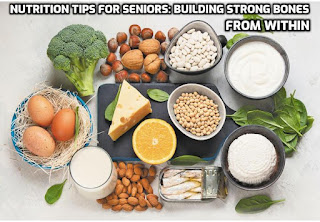
Nutrition Tips for Seniors: Building Strong Bones from Within" – This blog post will discuss the role of nutrition in maintaining bone health for seniors. This blog post will also provide a list of calcium-rich foods such as dairy products, leafy greens, and fortified cereals, along with suggestions for incorporating vitamin D sources like fatty fish and sunlight exposure.   #SeniorBoneHealth, #SeniorNutritionTips, #HealthyAging, #SeniorNutrition, #StrongBones, #NutritionTips, #ElderlyHealth, #BoneHealth, #StayStrong, #HealthyBones, #SeniorWellness, #NutritionForSeniors, #AgingGracefully, #HealthyLifestyle, #SeniorFitness, #Vitality, #HealthyHabits, #WellnessJourney, #HealthyAgingTips, #SeniorHealth, #BoneStrength, #NutritionMatters,


Click HERE To Uncover the Secrets of Strong Bones & Healthy Joints

Listen on Spotify

Introduction

Aging gracefully involves more than just the passage of time; it’s about nurturing our bodies to ensure they remain resilient and strong. One crucial aspect of this journey is maintaining bone health, and nutrition plays a pivotal role in supporting strong bones, especially for seniors.

In this blog post, we’ll delve into essential nutrition tips tailored for seniors, focusing on building strong bones from within. Discover the power of incorporating nutrient-rich foods into your diet to promote bone strength and overall well-being.

The Foundation: Understanding Nutrients for Bone Health

Before we dive into specific foods, let’s understand the key nutrients that play a vital role in bone health:

1. Calcium:

  • Building Block of Bones: Essential for bone structure and strength.
  • Daily Recommendation: Seniors should aim for 1200-1500mg of calcium per day.

2. Vitamin D:

  • Calcium Absorption: Facilitates the absorption of calcium.
  • Sunshine Vitamin: Sunlight exposure triggers vitamin D production.
  • Daily Recommendation: Seniors may need higher levels; consult healthcare professionals.

Nutrient-Rich Foods for Strong Bones

1. Dairy Products:

  • Calcium Source: Milk, yogurt, and cheese are rich in easily absorbable calcium.
  • Variety: Choose low-fat or non-fat options for added heart health benefits.

2. Leafy Greens:

Calcium Boost: Kale, broccoli, and bok choy offer calcium along with other essential nutrients.

Versatility: Incorporate into salads, soups, or smoothies.

3. Fortified Cereals:

  • Quick and Convenient: Fortified cereals provide a calcium boost, especially for breakfast.
  • Check Labels: Look for cereals enriched with vitamin D for added benefits.

4. Fatty Fish:

  • Rich in Vitamin D: Salmon, mackerel, and sardines are excellent sources.
  • Heart-Healthy Fats: The omega-3 fatty acids in fish offer dual benefits.

5. Sunlight Exposure:

  • Natural Vitamin D: Spend time outdoors to allow sunlight to trigger vitamin D synthesis.
  • Safe Exposure: Aim for around 10-30 minutes of sunlight a few times a week.

Tips for Incorporating Bone-Boosting Foods into Your Diet

1. Diversify Your Plate:

  • Varied Nutrients: Aim for a colorful mix of fruitsvegetables, lean proteins, and whole grains.
  • Balanced Diet: A diverse diet ensures a broad spectrum of essential nutrients.

2. Meal Planning for Consistency:

  • Preparation is Key: Plan meals in advance to ensure a balanced intake of calcium and vitamin D.
  • Grocery List: Include a variety of bone-boosting foods in your shopping list.

3. Hydration Matters:

  • Optimal Absorption: Staying hydrated supports nutrient absorption, including calcium.
  • Limit Caffeine: Excessive caffeine can hinder calcium absorption.

Watch this video – 15 Amazing Foods for Strong Bones and Joints You Should Eat Everyday


Conclusion

Building strong bones from within is a journey that begins with the choices we make in the kitchen.

By incorporating calcium-rich foods like dairy products, leafy greens, and fortified cereals, along with vitamin D sources like fatty fish and sunlight exposure, seniors can actively contribute to their bone health.

These nutrition tips provide a roadmap for a diet that not only nourishes the body but also supports the strength and resilience of the skeletal system.

FAQs (Frequently Asked Questions)

  1. Can seniors get enough vitamin D solely through sunlight exposure?

While sunlight is a natural source of vitamin D, factors like location, skin tone, and sunscreen use can affect absorption. Dietary sources and supplements may be necessary.

  • Are there non-dairy alternatives for calcium for seniors with lactose intolerance?

Absolutely! Consider fortified plant-based milk alternatives like almond, soy, or oat milk, and include more leafy greens in your diet.

  • How can seniors monitor their nutrient intake effectively?

Consulting with a dietitian or nutritionist can provide personalized guidance on nutrient intake based on individual needs and health conditions.

  • Is it necessary to take calcium and vitamin D supplements for bone health?

Supplements may be recommended based on individual needs. Seniors should consult with healthcare professionals for personalized advice.

  • Can these nutrition tips benefit individuals with osteoporosis?

Yes, a diet rich in calcium and vitamin D is beneficial for individuals with osteoporosis, but it should be complemented with other appropriate treatments. Always consult with healthcare professionals for comprehensive management.

Click HERE To Uncover the Secrets of Strong Bones & Healthy Joints


Tuesday, January 30, 2024

The Best Exercises for Seniors to Improve Bone Health


"The Best Exercises for Seniors to Improve Bone Health" – This blog post will highlight a variety of exercises that are safe and effective for seniors to improve their bone health. Include low-impact activities like walking, swimming, and yoga, as well as strength training exercises using resistance bands or light weights.  #ExercisesForSeniors, #FitAndFabSeniors, #StrongBonesForLife, #HealthyAging, #StayActiveStayStrong, #BoneHealthMatters, #SeniorFitnessGoals, #ExerciseForStrongBones, #ActiveSeniorsRock, #StayFitStayStrong, #HealthyBonesForSeniors, #SeniorWellness, #StrongAndSteady, #FitnessForGoldenYears, #BoneStrength, #SeniorHealthJourney, #ActiveAging, #StrongBonesForSeniors, #ExerciseForHealthyAging, #SeniorFitnessMotivation, #StayActiveStayHealthy,


Click HERE To Uncover the Secrets of Strong Bones & Healthy Joints

Listen on Spotify

Introduction

Staying active is a key ingredient for maintaining strong bones, especially as we age. Seniors can benefit greatly from a well-rounded exercise routine that not only improves bone health but also enhances overall well-being.

In this blog post, we’ll explore a variety of safe and effective exercises tailored for seniors. From low-impact activities like walking and swimming to the benefits of yoga and strength training with resistance bands, these exercises can contribute to stronger bones and a more vibrant lifestyle.

  1. Walking: The Foundation of Bone Health

Walking is a low-impact exercise that’s easy to incorporate into daily life. It offers:

  • Weight-Bearing Benefits: Helps maintain bone density.
  • Cardiovascular Health: Boosts heart health and circulation.
  • Joint Flexibility: Enhances mobility without excessive strain.

Tips for Seniors:

Start with short walks and gradually increase duration. Ensure proper footwear for support.

2. Swimming: Gentle Strength and Flexibility

Swimming is an excellent low-impact exercise with numerous benefits:

  • Resistance Training: Water provides gentle resistance for muscle engagement.
  • Joint Support: Reduces impact on joints, making it ideal for seniors.
  • Improved Flexibility: Enhances range of motion.

Tips for Seniors:

Include a mix of strokes and consider water aerobics classes for variety

.

3. Yoga: Balance and Flexibility

Yoga is a versatile practice that promotes bone health through:

Weight-Bearing Poses: Poses like Downward Dog and Warrior series.

Balance Improvement: Enhances stability and reduces the risk of falls.

Mind-Body Connection: Fosters mindfulness and relaxation.

Tips for Seniors:

Choose classes tailored for seniors, and use props for support if needed.

4. Strength Training with Resistance Bands

Strength training is crucial for bone health. Resistance bands offer:

  • Customizable Resistance: Suitable for various fitness levels.
  • Isometric Exercises: Builds strength without heavy weights.
  • Muscle and Bone Support: Strengthens muscles surrounding bones.

Tips for Seniors:

Start with light resistance and focus on proper form. Gradually increase intensity as strength improves.

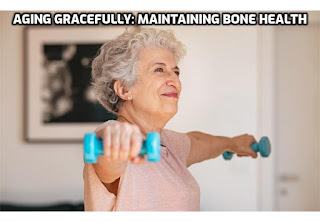
5. Light Weight Training: Building Bone Density

Incorporating light weights can have significant benefits:

  • Bone Density Improvement: Stimulates bone growth.
  • Muscle Strengthening: Supports overall bone health.
  • Functional Fitness: Enhances daily activities.

Tips for Seniors:

Begin with lighter weights and higher repetitions. Focus on controlled movements.

Watch this video – 10 minute workout for stronger bones with osteoporosis led by a physical therapist


Conclusion

Staying active is a gift to your bones, providing them with the support they need to remain strong and resilient. These exercises for seniors are not only effective but also enjoyable, making them easier to incorporate into a regular routine.

Whether it’s a leisurely walk, a refreshing swim, the mindful practice of yoga, or the strength-building benefits of resistance bands and light weights, these activities can contribute to improved bone health and a more active, fulfilling lifestyle.

FAQs (Frequently Asked Questions)

  1. How often should seniors engage in these exercises for optimal bone health?

Aim for at least 150 minutes of moderate-intensity exercise per week, including a mix of these activities.

  • Can seniors with limited mobility still benefit from these exercises?

Absolutely! Modified versions and adapted exercises can cater to various mobility levels. Always consult with a healthcare professional for personalized guidance.

  • Are there specific warm-up and cool-down exercises recommended for seniors?

Yes, gentle warm-up activities like joint rotations and light stretches, followed by cool-down stretches, are beneficial for seniors to prevent injury and promote flexibility.

  • Can these exercises help improve balance in seniors?

Certainly! Activities like yoga and water aerobics, along with strength training, contribute to improved balance and stability, reducing the risk of falls.

  • What are some signs that an exercise might be too strenuous for a senior?

If an exercise causes pain, dizziness, or shortness of breath, it may be too strenuous. Seniors should listen to their bodies and modify activities as needed.

Click HERE To Uncover the Secrets of Strong Bones & Healthy Joints


5 Essential Tips for Maintaining Strong Bones in Seniors


"5 Essential Tips for Maintaining Strong Bones in Seniors" – This blog post will discuss about the importance of bone health in seniors and provide practical tips to help them maintain strong bones. The blog post will include suggestions such as regular exercise, a balanced diet rich in calcium and vitamin D, and the importance of avoiding smoking and excessive alcohol consumption.   #MaintainStrongBones, #BoneHealthTips, #StrongBonesForSeniors, #HealthyAging, #SeniorWellness, #StayStrongSeniors, #BonesOfSteel, #SeniorBoneCare, #BoneStrength, #HealthyBones, #AgingWithStrongBones, #SeniorFitness, #BoneHealthMatters, #StrongBonesForLife, #SeniorWellbeing, #BoneCareTips, #HealthyAgingTips, #SeniorHealth, #BonesAndWellness, #StayActiveSeniors, #BoneHealthAwareness, #SeniorFitnessTips,


Click HERE To Uncover the Secrets of Strong Bones & Healthy Joints

Listen on Spotify

Introduction

As we age, maintaining strong and healthy bones becomes paramount for overall well-being.

Our bones provide the framework for our bodies, and ensuring their vitality is crucial for maintaining independence and an active lifestyle in our senior years.

In this blog post, we’ll explore the importance of bone health in seniors and provide five essential tips to help them maintain robust bones.

Let’s dive into practical suggestions that can make a significant difference in promoting bone strength and longevity.

1. Prioritize Regular Exercise

Exercise is a cornerstone for maintaining strong bones, even in our senior years.

Consider incorporating:

  • Weight-Bearing Exercises: Walking, hiking, or stair climbing.
  • Strength Training: Using resistance bands or light weights.
  • Flexibility and Balance Exercises: Yoga or tai chi.

Why It Matters:

Regular exercise helps in preserving bone density, enhancing muscle strength, and improving balance, reducing the risk of falls and fractures.

2. Embrace a Balanced Diet Rich in Calcium and Vitamin D

A nutrient-rich diet is vital for bone health, especially focusing on:

  • Calcium-Rich Foods: Dairy products, leafy greens, and fortified foods.
  • Vitamin D Sources: Fatty fish, egg yolks, and exposure to sunlight.

Why It Matters:

Calcium is a building block for bones, and vitamin D aids in its absorption. A balanced diet ensures a steady supply of these essential nutrients.

3. Maintain a Healthy Body Weight

Seniors should strive for a healthy body weight to reduce the strain on their bones and joints. This involves:

  • Balanced Nutrition: Consuming a variety of nutrient-dense foods.
  • Portion Control: Being mindful of portion sizes to prevent excess weight gain.

Why It Matters:

Maintaining a healthy weight reduces the risk of osteoporosis and fractures while supporting overall bone and joint health.

4. Avoid Smoking and Limit Alcohol Consumption

Unhealthy lifestyle choices can negatively impact bone health. Seniors should:

  • Quit Smoking: Seek support from healthcare professionals or support groups.
  • Limit Alcohol Intake: Moderation is key; excessive alcohol can weaken bones.

Why It Matters:

Smoking and excessive alcohol consumption are linked to decreased bone density and increased fracture risk.

5. Regular Health Check-ups and Bone Density Tests

Regular check-ups are crucial for monitoring overall health, including bone density.

Seniors should:

  • Schedule Regular Check-ups: Discuss bone health concerns with healthcare providers.
  • Bone Density Tests: As recommended by healthcare professionals.

Why It Matters:

Regular assessments and bone density tests can identify issues early, allowing for proactive management and intervention.

Watch this video – 15 Amazing Foods For Strong Bones And Joints You Should Eat Everyday


Conclusion

Maintaining strong bones in seniors is a holistic effort that involves lifestyle choices and proactive health management.

By prioritizing regular exercise, adopting a nutrient-rich diet, maintaining a healthy weight, avoiding harmful habits, and scheduling regular check-ups, seniors can actively contribute to their bone health and overall well-being.

These essential tips empower seniors to embrace an active and vibrant lifestyle, ensuring that their golden years are marked by strength and vitality.

FAQs (Frequently Asked Questions)

  1. Can seniors start a new exercise routine if they haven’t been active before?

Absolutely! It’s never too late to start exercising. Seniors should consult with healthcare professionals to create a safe and tailored exercise plan.

  • Are there specific calcium and vitamin D supplements recommended for seniors?

Individual needs vary, and healthcare professionals can recommend appropriate supplements based on dietary intake and health conditions.

  • How can seniors incorporate weight-bearing exercises into their routine if they have mobility challenges?

Adapted exercises, such as seated leg lifts or water aerobics, can provide effective alternatives for seniors with mobility challenges.

  • Is it ever too late to quit smoking or limit alcohol intake for bone health?

No, quitting smoking and reducing alcohol intake can still provide health benefits at any age. Seek support from healthcare professionals for guidance.

  • How often should seniors undergo bone density tests?

The frequency of bone density tests depends on individual risk factors and healthcare provider recommendations. Regular check-ups allow for timely assessments.

Click HERE To Uncover the Secrets of Strong Bones & Healthy Joints


Wednesday, January 24, 2024

Aging Gracefully: Maintaining Bone Health


“Aging Gracefully: Maintaining Bone Health”. This blog post lists out the ways seniors can go about maintaining strong bones in their golden years. Discover tips and practices to support bone health as you age.   #MaintainBoneHealth, #AgingGracefully, #AgeWithGrace, #HealthyBones, #StayStrong, #BoneHealthMatters, #ForeverYoung, #StrongAndSteady, #HealthyAging, #BonesOfSteel, #AgelessBeauty, #StayActive, #BoneStrength, #YouthfulVibes, #HealthyLifestyle, #AgingWell, #StrongBones, #HealthyAgingTips, #StayFit, #BoneHealthTips, #AgeIsJustANumber, #StayFlexible,


Click HERE To Uncover the Secrets of Strong Bones & Healthy Joints

Listen on Spotify

Introduction

Aging gracefully is not just about looking good; it’s about feeling good from the inside out. One integral aspect of this well-being is maintaining strong and healthy bones.

As we age, our bones undergo changes, and ensuring their vitality becomes increasingly crucial.

In this blog post, we’ll explore practical tips and practices that seniors can embrace to support and maintain bone health in their golden years. Let’s discover the keys to aging gracefully and keeping your bones robust.

The Foundation: Understanding Bone Changes with Age

Before delving into tips, it’s essential to understand how aging impacts our bones. As we age:

  • Bone Density Decreases: Bones become less dense and more susceptible to fractures.
  • Nutrient Absorption Changes: The body may absorb nutrients like calcium less efficiently.
  • Joint Wear and Tear: Joints may experience wear and tear, affecting overall bone health.

Ways to Maintain Strong Bones in Your Golden Years

1. Balanced Nutrition is Key

A nutrient-rich diet is the cornerstone of bone health. Focus on:

  • Calcium-Rich Foods: Dairy, leafy greens, and fortified foods.
  • Protein Intake: Lean meats, beans, and plant-based proteins.

2. Weight-Bearing Exercises for Bone Strength

Engaging in weight-bearing exercises is crucial for maintaining bone density.

Consider:

  • Walking: A low-impact yet effective exercise.
  • Strength Training: Lifting weights or using resistance bands.
  • Yoga: Enhances flexibility and balance.

3. Prioritize Balance and Stability Exercises

As we age, falls become more risky. Incorporate exercises that focus on:

  • Balance Training: Stand on one leg or practice tai chi.
  • Stability Exercises: Utilize stability balls or balance boards.

4. Regular Health Check-ups and Bone Density Tests

Regular check-ups are essential for proactive health management. Ensure:

Bone Density Tests: Discuss with your healthcare provider when and how often.

Vitamin and Mineral Levels: Regular blood tests can identify deficiencies.

5. Quit Smoking and Limit Alcohol Intake

Smoking and excessive alcohol consumption can negatively impact bone health. Consider:

  • Quitting Smoking: Seek support if needed.
  • Moderate Alcohol Consumption: Limit intake to reduce the risk of bone-related issues.

6. Adequate Hydration for Bone Health

Staying hydrated is vital for overall health, including bones. Ensure:

  • Adequate Water Intake: Aim for at least 8 glasses a day.
  • Limit Caffeine: Excessive caffeine may affect calcium absorption.

7. Consult with Healthcare Professionals

Individualized advice is invaluable. Regularly consult with:

  • Primary Care Physician: Discuss overall health and concerns.
  • Dietitian or Nutritionist: Tailor dietary plans to specific needs.
  • Physical Therapist: Seek guidance on safe and effective exercises.

Watch this video – If you do this exercise once, you stop aging forever. Muscles of eternal youth


Conclusion

Aging gracefully involves embracing practices that support not only our appearance but also our overall well-being. Maintaining strong bones is a key component of this journey.

By adopting a balanced diet, engaging in suitable exercises, and seeking professional guidance, seniors can actively contribute to their bone health and enjoy a fulfilling and vibrant lifestyle in their golden years.

FAQs (Frequently Asked Questions)

  1. Is it ever too late to start focusing on bone health as a senior?

It’s never too late! Implementing bone-friendly practices can still offer significant benefits for seniors.

  • Are there specific dietary supplements recommended for seniors to support bone health?

Calcium and vitamin D supplements may be recommended based on individual needs. Always consult with a healthcare professional before adding supplements to your routine.

  • Can chronic conditions affect bone health in seniors?

Yes, certain chronic conditions or medications may impact bone health. Regular check-ups and discussions with healthcare providers can help manage these factors.

  • How can seniors overcome mobility challenges to engage in weight-bearing exercises?

Adapted exercises, such as seated leg lifts or water aerobics, can provide effective alternatives for individuals with mobility challenges.

  • Is it necessary to make drastic lifestyle changes, or are small adjustments sufficient for bone health?

Small, consistent changes can make a significant difference. Gradual adjustments in diet, exercise, and lifestyle are sustainable and effective in promoting bone health.

Click HERE To Uncover the Secrets of Strong Bones & Healthy Joints


Related Posts Plugin for WordPress, Blogger...