Website Tracking

Monday, January 1, 2024

The Role of Hormone Therapy in Osteoporosis Prevention


"The Role of Hormone Therapy in Osteoporosis Prevention” This blog post will list out the potential benefits and risks of hormone therapy in maintaining bone health. In this blog post, you will also learn about the latest research and expert recommendations on hormone replacement therapy for preventing osteoporosis.  #HormoneTherapy, #PreventOsteoporosis, #BoneHealth, #StrongBones, #HealthyLiving, #OsteoporosisPrevention, #HealthyLifestyle, #BoneDensity, #OsteoporosisAwareness, #StayStrong, #HealthyBones, #PreventBoneLoss, #HormonalBalance, #BoneStrength, #OsteoporosisTreatment, #HealthyHabits, #BoneCare, #StrongFoundation, #HealthyAging, #BoneHealthMatters,


Click HERE To Uncover the Secrets of Strong Bones & Healthy Joints

Listen on Spotify

Introduction:

Osteoporosis, a condition characterized by weakened bones, is a significant health concern, especially as we age. In the quest for effective prevention and management, hormone therapy has emerged as a topic of considerable interest.

In this blog post, we’ll delve into the potential benefits and risks of hormone therapy in maintaining bone health. Additionally, we’ll explore the latest research findings and expert recommendations on hormone replacement therapy for preventing osteoporosis.

Understanding Osteoporosis:

Before we explore the role of hormone therapy, let’s grasp the basics of osteoporosis. This condition is marked by a reduction in bone density, making bones more fragile and prone to fractures. While aging is a natural contributor to bone loss, hormonal changes, particularly in postmenopausal women, can accelerate this process.

The Link between Hormones and Bone Health:

Hormones play a pivotal role in regulating bone density. Estrogen, in particular, has a protective effect on bones. However, during menopause, estrogen levels decline, leaving bones more vulnerable to deterioration. This insight has led researchers to investigate the potential of hormone therapy in mitigating osteoporosis risk.

Potential Benefits of Hormone Therapy:

  1. Increased Bone Density: Hormone therapy, especially estrogen replacement, has shown promise in increasing bone density and reducing the risk of fractures.
  • Improved Bone Quality: Hormones contribute to bone remodeling and maintenance, potentially enhancing the overall quality and strength of bones.
  • Reduced Fracture Risk: Studies suggest that hormone therapy may reduce the risk of fractures, particularly in postmenopausal women.

Risks and Considerations:

  1. Breast Cancer Risk: Hormone therapy, particularly estrogen-progestin combinations, has been associated with a slightly increased risk of breast cancer. It’s crucial for individuals to weigh the potential benefits against this risk.
  • Cardiovascular Concerns: Some studies have raised questions about the cardiovascular risks associated with hormone therapy. It’s essential to discuss personal medical history and cardiovascular health with a healthcare professional.
  • Individual Variation: The response to hormone therapy can vary among individuals. Factors such as age, overall health, and lifestyle should be considered when evaluating the potential risks and benefits.

Latest Research Insights:

Recent research has provided valuable insights into hormone therapy for osteoporosis prevention. Studies are exploring optimal dosages, formulations, and duration of therapy to maximize benefits while minimizing risks. Additionally, ongoing research aims to identify subgroups of individuals who may derive the most benefit from hormone therapy.

Expert Recommendations:

Leading medical organizations, including the National Osteoporosis Foundation and the American College of Obstetricians and Gynecologists, provide guidelines on hormone therapy for osteoporosis prevention. These recommendations emphasize individualized treatment plans, considering factors such as age, medical history, and preferences.

Watch this video – Hormone Replacement Therapy in Women and Treatment of Osteoporosis by Elizabeth Prusak, MD


Conclusion:

In the evolving landscape of osteoporosis prevention, hormone therapy stands as a potential ally in maintaining bone health. While the benefits are evident, it’s crucial for individuals to be well-informed and consult with healthcare professionals to make informed decisions.

As research continues to unfold, a personalized approach that balances the potential benefits and risks of hormone therapy remains key to effective osteoporosis prevention.

Remember, knowledge is power when it comes to safeguarding the strength and resilience of your bones.

Click HERE To Uncover the Secrets of Strong Bones & Healthy Joints


Thursday, December 28, 2023

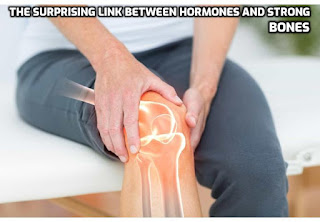
The Surprising Link between Hormones and Strong Bones


"The Surprising Link between Hormones and Strong Bones” This blog post will discuss the role of hormones in maintaining bone health and preventing osteoporosis. In this blog, you will also learn how estrogen, testosterone, and other hormones play a crucial role in keeping your bones strong and resilient. This blog post will explore how hormonal imbalances can lead to osteoporosis and what steps you can take to maintain optimal hormone levels for strong and healthy bones.  #HealthyHormonesStrongBones, #BoneStrengthSecrets, #OptimalHormonalBalance, #BoneHealthRevolution, #HormoneBalanceMatters, #StrongBonesForLife, #HormonalWellnessJourney, #BonesAndHormonesConnection, #BoneHealthTips, #HormoneBoostForBones, #StrongBonesInsideOut, #HormonalHealthMatters, #BoneDensityBoost, #HormoneOptimizationSecrets, #BuildingStrongBones, #HormonalBalanceForBoneHealth, #BoneHealthAwareness, #HormoneHacksForStrongBones, #StrongBonesForLongevity, #HormonalWellbeingJourney,


Click HERE To Uncover the Secrets of Strong Bones & Healthy Joints

Listen on Spotify

Introduction:

In the intricate tapestry of our body’s functions, the connection between hormones and bone health might not be immediately apparent.

However, the relationship between these two elements is profound and plays a pivotal role in maintaining strong and resilient bones.

In this blog post, we will unravel the intricate dance of hormones, focusing on how estrogen, testosterone, and various other hormonal players contribute to the foundation of robust skeletal health.

The Hormonal Symphony:

Our body functions like a symphony, and hormones are the conductors orchestrating the performance.

Among them, estrogen and testosterone take center stage in the realm of bone health.

Estrogen, often associated with women, has a significant impact on bone density. In men, testosterone also plays a crucial role in maintaining bone mass.

Together, they stimulate the activity of bone-forming cells while inhibiting bone resorption, creating a delicate balance that keeps our bones sturdy.

The Bone Thief: Osteoporosis and Hormonal Imbalances:

As we age, hormonal fluctuations become more pronounced, leading to a potential disruption in the delicate balance that preserves bone density.

One of the chief adversaries in this battle is osteoporosis, a condition characterized by weakened bones susceptible to fractures.

Estrogen levels drop significantly in women during menopause, while men experience a gradual decline in testosterone.

These hormonal shifts pave the way for osteoporosis, as the bone-forming process is impeded, and bone resorption takes the lead.

Estrogen: The Guardian of Bone Density:

Estrogen acts as a guardian of bone density, and its decline is a critical factor in osteoporosis. This hormone stimulates osteoblasts, the cells responsible for bone formation, and inhibits osteoclasts, which break down bone tissue.

When estrogen levels decrease, bone loss accelerates, leading to porous, fragile bones. Women, especially post-menopause, are particularly susceptible to this hormonal imbalance.

Testosterone’s Role in the Bone Game:

While often associated with male characteristics, testosterone is equally vital for maintaining bone health in both men and women. It promotes the growth of bone tissue and helps sustain bone density.

As testosterone levels decline with age, bone loss accelerates, making individuals more susceptible to fractures. Adequate testosterone levels are crucial for maintaining the delicate equilibrium between bone formation and resorption.

Balancing Act: Maintaining Optimal Hormone Levels:

The key to preventing osteoporosis lies in maintaining optimal hormone levels. While hormonal fluctuations are a natural part of the aging process, there are lifestyle choices and interventions that can positively impact bone health.

Regular weight-bearing exercises, a calcium-rich diet, and vitamin D supplementation can contribute to overall bone strength.

Additionally, hormone replacement therapy may be considered under the guidance of healthcare professionals to address specific hormonal imbalances.

Watch this video – 15 Amazing Foods for Strong Bones and Joints You Should Eat Everyday


Conclusion:

The intricate interplay between hormones and bone health underscores the importance of understanding this connection for a longer, healthier life.

As we navigate the complexities of aging, taking proactive steps to support hormonal balance becomes paramount.

By embracing a lifestyle that promotes strong bones and consulting with healthcare professionals when necessary, we empower ourselves to age gracefully, with bones that stand the test of time.

After all, the surprising link between hormones and strong bones reveals a profound connection that should not be underestimated in the grand symphony of our well-being.

Click HERE To Uncover the Secrets of Strong Bones & Healthy Joints


How Do Hormones Influence Bone Health and Osteoporosis?


How do hormones influence bone health and osteoporosis? In this comprehensive post, we will explore the various ways hormonal fluctuations impact bone density and delve into measures to maintain optimal bone health.  #BoneHealth101, #OsteoporosisPreventionTips, #HormoneBalance, #BoneHealthMatters, #StrongBonesForLife, #HealthyHormones, #OsteoporosisPrevention, #BoneDensity, #HormoneHealth, #StrongAndHealthy, #BoneStrength, #OsteoporosisAwareness, #HealthyBones, #BoneHealthTips, #HormonalInfluence, #StrongBones, #BoneHealthAwareness, #OsteoporosisFacts, #HormoneHealthMatters, #HealthyLiving,


Click HERE To Uncover the Secrets of Strong Bones & Healthy Joints

Listen on Spotify

Introduction

Welcome to a journey into the intricate connection between hormones and bone health.

In this comprehensive post, we will explore the various ways hormonal fluctuations impact bone density and delve into measures to maintain optimal bone health.

Understanding Bone Health

Bones serve as the structural framework of our bodies, providing support and protection. Factors influencing bone health include genetics, nutrition, physical activity, and hormonal balance.

The Role of Hormones in Bone Health

  1. Estrogen and Testosterone in Bone Maintenance

Estrogen, predominantly present in females, and testosterone, in males, play crucial roles in maintaining bone density. These hormones contribute to bone formation and regulate bone resorption.

  • Impact of Growth Hormone on Bone Density

Growth hormone, produced by the pituitary gland, stimulates bone growth during childhood and adolescence. Its deficiency can lead to decreased bone density.

Hormonal Changes and Bone Health

  1. Puberty and its Effect on Bone Growth

The hormonal surge during puberty significantly influences bone growth, emphasizing the importance of proper nutrition and exercise during this crucial period.

  • Menopause and Bone Health

Menopausal women experience a decline in estrogen levels, leading to accelerated bone loss. Understanding and managing this phase is vital for maintaining bone health.

  • Impact of Cortisol on Bone Health

Stress-induced cortisol release can negatively affect bone density. Managing stress through lifestyle changes and relaxation techniques is crucial for overall bone health.

  • Thyroid Hormones and Bone Metabolism

Disorders such as hyperthyroidism or hypothyroidism can impact bone metabolism. Maintaining thyroid health is essential for preserving bone density.

  • Importance of Balanced Hormones

Maintaining hormonal balance through a healthy lifestyle is paramount for optimal bone health. Hormonal imbalances can lead to conditions like osteoporosis.

Lifestyle Factors Affecting Bone Health

  1. Nutrition and its Role in Bone Strength

A diet rich in calciumvitamin D, and other nutrients is essential for bone strength. Nutritional deficiencies can contribute to hormonal imbalances affecting bone health.

  • Physical Activity and Bone Density

Regular exercise, especially weight-bearing activities, promotes bone density. Sedentary lifestyles contribute to hormonal imbalances and bone loss.

  • Smoking and Alcohol Consumption

Smoking and excessive alcohol consumption can disrupt hormonal balance, adversely affecting bone health. Quitting smoking and moderate alcohol intake are advisable.

Diseases Affecting Hormonal Balance

  1. Endocrine Disorders and Bone Health

Disorders affecting the endocrine system can disrupt hormonal balance, impacting bone health. Proper management of these conditions is crucial.

  • Diabetes and its Impact on Bone Density

Diabetes, especially type 1, can affect bone density. Controlling blood sugar levels is essential for preserving bone health.

Medications and Hormonal Influence

  1. Steroids and Bone Health

Prolonged use of steroids can lead to bone loss. Understanding the risks and potential alternatives is vital for individuals on steroid medications.

  • Hormone Replacement Therapy (HRT) and Bone Health

HRT, often used in menopausal women, can positively impact bone health. However, its risks and benefits should be carefully evaluated with a healthcare professional.

Pregnancy and Bone Health

  1. Pregnancy-Related Hormonal Changes and Bone Health

Pregnancy induces hormonal changes to support fetal development. Adequate nutrition and healthcare during this period are essential for maternal bone health.

FAQs

Q. Can hormonal imbalance lead to osteoporosis?

A. Hormonal imbalances, especially a decline in estrogen or growth hormone levels, can contribute to osteoporosis. Estrogen is crucial for maintaining bone density, and its reduction, such as during menopause, increases the risk of bone fractures.

Additionally, growth hormone deficiency, often seen in certain medical conditions, can impact bone development and lead to lower bone density.

Q. How does menopause affect bone density?

A. Menopause triggers a decline in estrogen levels, a hormone vital for bone health. The decrease in estrogen leads to increased bone resorption, resulting in decreased bone density. This puts postmenopausal women at a higher risk of osteoporosis.

Understanding these changes is essential for adopting preventive measures, including a balanced diet and regular exercise.

Q. Is hormone replacement therapy safe for bones?

A. Hormone Replacement Therapy (HRT) can be beneficial for bone health, especially in managing the effects of menopause. However, its safety depends on various factors, including the individual’s overall health and medical history.

It’s crucial to consult with a healthcare professional to assess the risks and benefits, considering factors like age, family history, and existing medical conditions.

Q. Can poor nutrition impact hormonal balance?

A. Yes, poor nutrition can significantly impact hormonal balance, subsequently affecting bone health. Inadequate intake of essential nutrients like calcium and vitamin D can lead to hormonal imbalances that contribute to bone loss.

A well-balanced diet, rich in these nutrients, is crucial for maintaining optimal hormonal balance and promoting strong bones.

Q. Are hormonal changes reversible for bone health?

A. While certain interventions, such as hormone replacement therapy and lifestyle changes, can positively influence bone health, complete reversal of hormonal changes is often not possible.

However, proactive measures can help mitigate the impact of hormonal fluctuations on bone density and contribute to overall skeletal health.

Q. What exercises promote bone health in hormonal changes?

A. Weight-bearing exercises, such as walking, jogging, and resistance training, are beneficial for bone health, especially during hormonal changes. These activities stimulate bone formation and help maintain bone density.

Engaging in a variety of exercises that target different muscle groups can contribute to overall bone strength and resilience.

Watch this video – Hormone Replacement, Estrogen and Osteoporosis: Fear and Hope


Conclusion

In conclusion, understanding how hormones influence bone health is crucial for maintaining a strong skeletal system.

By adopting a healthy lifestyle, addressing hormonal imbalances, and seeking professional advice, you can proactively preserve and enhance your bone health.

Click HERE To Uncover the Secrets of Strong Bones & Healthy Joints


Wednesday, December 27, 2023

Menopause and Bone Density: Breaking the Silence


"Menopause and Bone Density: Breaking the Silence" – This blog post will break the stigma surrounding menopause and bone health by initiating an open and honest conversation. This blog post will discuss the challenges women face during this stage and provide evidence-based information on how menopause affects bone density. This blog post will emphasize the need for women to prioritize regular check-ups and list out the healthy lifestyle habits to adopt for safeguarding their bone health.  #WomenEmpowerment, #AgingGracefully, #HormonalChanges, #MenopauseMatters, #BoneDensityBoost, #SilentStruggles, #HealthyAging, #StrongBones, #BoneHealth, #MidlifeJourney, #HealthyLifestyle, #MenopauseAwareness, #StrongWomen, #HealthyBones, #SelfCare, #WellnessJourney, #HealthyHabits, #BodyChanges, #StayStrong, #WomenSupportingWomen,


Click HERE To Uncover the Secrets of Strong Bones & Healthy Joints

Listen on Spotify

Introduction:

Menopause, often whispered about in hushed tones, deserves a spotlight that illuminates the unspoken aspects of a woman’s journey.

In particular, the link between menopause and bone health remains shrouded in silence.

It’s time to break free from the stigma, initiate an open and honest conversation, and equip women with the knowledge they need to navigate this crucial phase of life with confidence.

In this blog post, we’ll delve into the challenges women face during menopause and shed light on the evidence-based connection between menopause and bone density.

Let’s start breaking the silence.

Challenges Women Face During Menopause:

Menopause is a transformative period, yet it often comes with challenges that are seldom discussed openly.

From hot flashes to mood swings, women navigate a range of physical and emotional changes. Amidst these, the impact on bone health tends to be overshadowed.

The decline in estrogen levels during menopause contributes to a reduction in bone density, making women more susceptible to conditions like osteoporosis.

Understanding the Menopause and Bone Density Connection:

To empower women, it’s crucial to provide evidence-based information on how menopause affects bone health.

The hormonal changes during menopause directly influence bone remodeling, leading to a decrease in bone mass. This decline can result in weakened bones, elevating the risk of fractures.

By understanding this connection, women can take proactive steps to safeguard their bone health.

Prioritizing Regular Check-ups:

Breaking the silence on menopause also means encouraging women to prioritize their health through regular check-ups.

Bone density screenings and consultations with healthcare professionals are essential in monitoring changes and addressing potential issues early on.

Knowledge is power, and being informed about one’s bone health status allows for proactive measures to maintain and improve bone density.

Healthy Lifestyle Habits for Safeguarding Bone Health:

  1. Balanced Nutrition:

Adopt a diet rich in calcium and vitamin D. Dairy products, leafy greens, and fortified foods can contribute to maintaining optimal bone health.

  • Regular Exercise:

Engage in weight-bearing exercises, such as walking, dancing, and resistance training. These activities stimulate bone formation and strengthen the skeletal system.

  • Quit Smoking:

Smoking has been linked to decreased bone density. Quitting smoking is a crucial step in preserving bone health during menopause.

  • Limit Alcohol Intake:

Excessive alcohol consumption can have a detrimental effect on bone density. Moderation is key to safeguarding your bones.

  • Stay Hydrated:

Proper hydration is essential for overall health, including bone health. Aim for an adequate intake of water throughout the day.

Watch this video – Osteoporosis risk: How is bone health affected by the menopause?


Conclusion:

Breaking the silence on menopause and bone health is not just a conversation; it’s a call to action.

By understanding the challenges women face during menopause and acknowledging the evidence-based connection between menopause and bone density, we empower women to take charge of their health.

Prioritizing regular check-ups and adopting healthy lifestyle habits are crucial steps in safeguarding bone health and embracing the transformative journey of menopause with strength and resilience.

Let’s continue the conversation and lift the veil on the silent aspects of women’s health.

Click HERE To Uncover the Secrets of Strong Bones & Healthy Joints


Related Posts Plugin for WordPress, Blogger...