Website Tracking

Sunday, March 6, 2022

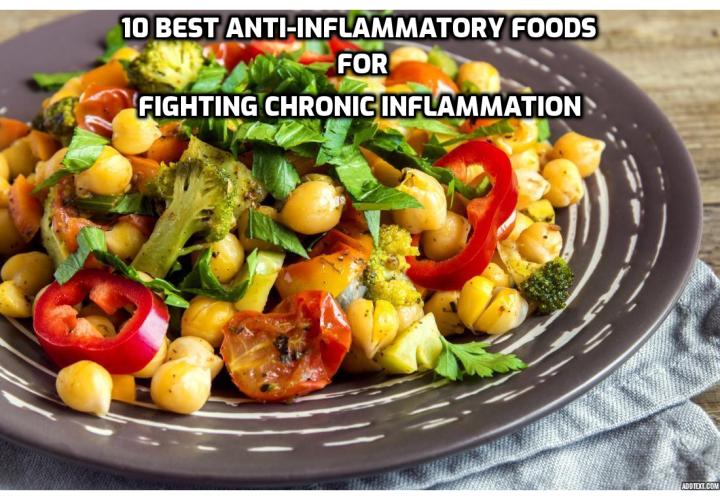
The 10 Best Anti-Inflammatory Foods for Fighting Chronic Inflammation


Chronic inflammation is like a raging fire inside of you that can eventually cause several diseases and health problems. Here are the 10 best anti-inflammatory foods for fighting chronic inflammation.


Click HERE to Discover these 80 Keto-Friendly and Healthy Slow Cooker Recipes


Chronic inflammation is like a raging fire inside of you that can eventually cause several diseases and health problems. Combat inflammation naturally with these anti-inflammatory foods.

The hotter your internal inflammatory fire is burning, the more likely you are to suffer from weight gain, obesity and poor health. Unfortunately, many people are unaware that the flames of inflammation are building up inside them, compromising their health, body composition and vitality.

If you can cool inflammation with better food choices (and exercise), you can significantly upgrade your memory and brain functioning, trim your waistline and fight off chronic disease.

How do you know if you’re chronically inflamed? If you are overweight, obese, eat a high-carb diet or have excess belly fat, the fires of inflammation will be burning hotly.

If you suffer from digestive problems like gas, bloatingheartburnIBSleaky gut or autoimmune conditions, then the fires of inflammation will burn hotter.

If you regularly take pain medications like ibuprofen, you’re also at much greater risk of chronic degeneration. Unfortunately, it can also be a silent condition, the fires of inflammation burning inside you WITHOUT any of these overt symptoms.

Addressing the root causes of why you’re inflamed (i.e., processed carbohydrates, medications or general digestive distress) will go a long way to improving your energy levels, boosting brain functioninghealing joint pain, and maintaining your ideal body weight.

What Is Inflammation?

Inflammation is a natural and essential bodily reaction to trauma, injury or infection.

It is the primal immune system signal that sounds the alarm bell to take action. The classic signs of an inflammatory reaction are heat, redness, swelling, and pain – all of which are your body’s best effort to resolve your injury or infection.

The problem starts when acute inflammation becomes chronic. You continue to gain weight or can’t trim your belly fat, your digestive distress (i.e. gas, bloating,

constipationfood allergies) never resolves, or you just can’t get seem to wean yourself off the pain medications.

Cytokines are the key players released by the body to fight inflammation. After injury or infection, your inflammatory response is triggered and three main pro-inflammatory cytokines are produced: tumor necrosis factor alpha (TNF), interleukin 1 (IL-1) and interleukin 6 (IL-6). The food you eat, how much you move, and your ability to control stress can all combat these pro-inflammatory compounds

Inflammation & Chronic Disease Risk

In America, chronic disease is increasing every year with cardiovascular disease (60 million), allergies (50 million), autoimmune diseases (24 million), diabetes (14 million), and cancer (10 million) leading the way.

Recently, the New England Journal of Medicine highlighted the growing connection between high blood sugar levels, inflammation and the progression of degenerative chronic disease.

It doesn’t matter if you suffer from high blood pressurearterial plaque build-up, cancer or diabetes, all chronic conditions seem improve when inflammation is cooled.

Foods That Trigger Inflammation

1. Simple or Excess Carbs

Poor blood sugar control is one of the absolute major driving forces behind chronic and systemic inflammation that wreaks havoc in the body.

If you’re active and have lots of lean muscle, the carbs you eat are directed primarily into your muscle tissues and stored as glycogen.

If you’re sedentary, overweight or out of shape and don’t have a lot of muscle, excess carb intake quickly gets converted into fat and stored in the liver or on your body.

Inflammation is a hallmark symptom of most obese individuals. The accumulation of fat around the mid-section is visceral fat, also called white adipose tissue (WAT), that acts as a powerful trigger for inflammation. The more extra weight you’re carrying, the greater your inflammatory levels.

The chronic internal fire of weight gain also causes significant oxidative damage to cells and tissues, leading to an inflammatory response. The more weight gain, the more oxidative stress, the more inflammation in the body. It’s a downward spiral that can make it very difficult to shed those unwanted pounds.

2. Too Much Gluten

Gluten can be a very problematic food because it exerts a major detrimental impact on your gut. The research has shown that gluten-containing foods interfere with the function of an intestinal protein called zonulin, wreaking havoc on your digestive system.

 Zonulin effectively acts as the gatekeeper of your intestinal tract, responsible for regulating your intestinal permeability by keeping your gut cells tightly packed.

The gliadin protein found in gluten interferes with your zonulin function, leading to increased intestinal hyper-permeability or leaky gut. Ultimately, this leads to an inflammatory response by the body.

Interestingly, this gut damage occurred in all populations, not just celiac patients. Furthermore, if you’re overweight, it significantly worsens your zonulin function and predisposes you to an inflamed and leaky gut.

3. Too Many Pain Killer Medications

Over-the-counter medications to treat pain, non-steroidal anti-inflammatory drugs (NSAIDs) like ibuprofen, are the most common drugs recommended to treat pain.

If you’re overweight or sit at a desk all day, you’re much more likely to suffer from chronic joint and muscle pain. While NSAIDs can help in the short-term, in the long-term they take a serious toll on your digestive system.

A recent study found that chronic use of pain killer medications like ibuprofen significantly damage the lining of the gut and increased likelihood of a leaky gut. Of course, when the gut is damaged inflammation is the first response to injury, so you actually worsen your long-term systemic inflammation.

Other common causes of chronic inflammation include a diet too high in omega-6 fats (i.e. typically vegetable oils), chronic infectionshigh stress levelsnutrient deficiencies or over-exposure to environmental toxins.

The Top 10 Anti-Inflammatory Foods

Addressing the root causes is the first step to cooling chronic inflammation and increasing your intake of powerful anti-inflammatory foods is the next step. Add the following ten foods to your diet regularly and protect your body from dangers of inflammation.

1. Cold-Water Fatty Fish

The extra-long chain omega-3 fats EPA and DHA help cool inflammation by supporting the production of anti-inflammatory prostaglandins, powerful hormone-like substances that turn down the body’s internal fires. 

Cold-water fatty fish like salmon, mackerel, anchovies, sardines, herring and black cod should be staples in your diet. A typical 3-4 oz. servings contain about 500-750mg of EPA and DHA.

2. Grass-Fed & Wild Game Meats

We’ve been told for decades to avoid red meat, however when you feed cows grass like nature intended, it’s incredible how the distribution of healthy fats and the quality of the meat radically changes for the better.

Grass-fed beef and wild game meats have much greater levels of extra-long chain omega-3 fats EPA and DHA compared to standard agricultural practices. Add these nutrient-dense foods to your nutritional arsenal to fight off chronic inflammation.

3. Turmeric Root

Turmeric root is a staple of Indian cuisine and contains a specific compound called curcumin that acts as a powerful anti-inflammatory. Curcumin inhibits the COX-2 enzyme, just like ibuprofen, to reduce inflammation and accelerate healing.

Although not as potent as an NSAID, the natural herb has the benefit that it does not cause ulcers, liver and kidney damage, and leaky gut like chronic use of NSAIDs.

Watch the below 6 videos about paleo-friendly turmeric recipes

Coconut Curry Chicken with Turmeric | Paleo Recipe


Roasted Turmeric Cauliflower Recipe | Paleo Recipes


Golden Cauliflower Turmeric Flatbread | Paleo Recipe


Turmeric Ginger Smoothie with Coconut Oil | Paleo Recipe


No-Bake Energy Bites with Golden Turmeric | Paleo Recipe


Chocolate Turmeric Truffles with Coconut Oil | Paleo Recipe


4. Ginger

Like curcumin, ginger acts as a potent anti-inflammatory that inhibits the COX-2 enzyme. The research shows the consumption of ginger can reduce inflammatory markers after only 7 days. 

If you enjoy juicing, add ginger to your favorite juice, sprinkle on top of salads or meals, or add into herbal teas to boost your inflammation protection.

5. Leafy Greens

Leafy greens are packed full of antioxidants like vitamin AC and E that protect the body from the oxidative damage that occurs with chronic inflammation.

 Be sure to eat leafy greens daily, such as kalespinach, arugula, chard, radish greens, mustard greens, salad greens, etc.

6. Hot Peppers

Capsaicin’s are the active components of hot peppers that give them their spicy kick and they also help act as potent anti-inflammatory.

Capsaicin’s impact inflammation via your brain, interacting with a specific receptor to increase BDNF (brain-derived neuropeptide factor) that cools inflammation and combats low mood.

Try sprinkling cayenne on your food or in your smoothies and add hot peppers to your meals to take advantage of the anti-inflammatory benefits. Just don’t go overboard, moderation is key here.

7. Blueberries

The perfect breakfast addition to your morning smoothie or afternoon snack also provides a nice anti-inflammatory and antioxidant punch.

Dark-colored berries contain quercetin, a potent antioxidant that protects your body against the oxidative damage caused by inflammation, whether from a trauma or simply being overweight.

Furthermore, the polyphenols in blueberries also trigger the genetic pathways that provide a great COX-2 anti-inflammatory effect.

8. Beets

Beets are an incredibly nutrient-dense root vegetable packed full of the antioxidant betalain, as well as being a phenomenal source of dietary nitrates that help to boost arginine levels and support better flow to accelerate healing and recovery.

9. Pineapple

There is nothing like a cold, sweet pineapple on a hot day to quench your thirst and sweet craving. Your joints also love bromelain, as its been shown to reduce swelling, bruising, healing time, and pain after injuries and surgeries.  

If you choose to supplement with bromelain for joint support, be sure to take it on an empty stomach. If taken with meals, bromelain will act as a digestive aid and not an anti-inflammatory.

10. Broccoli

Broccoli is an absolute superfood. It packs a major antioxidant punch, is loaded with powerful phytonutrient glucosinolates, and contains anti-inflammatory bioflavonoids like kaempferol that help cool inflammation and fight off the effects of weight gain and oxidative stress.  Make broccoli a staple in your diet to reap these benefits.

To keep inflammation under control, address the root causes and maintain a healthy weight (and body composition), avoid excess gluten and omega-6 vegetable oils, and do you best to avoid medications or use sparingly when needed.

Combine this with adding these 10 anti-inflammatory regularly in your nutrition arsenal and your body, your brain and your health will thrive.

Watch this video for the best anti-inflammatory foods for fighting chronic inflammation – 5-Day Anti-Inflammatory Diet Meal Plan


Written by Dr Marc Bubbs

Author Bio:

Dr. Marc Bubbs, ND is a Naturopathic Doctor, Strength Coach, Author, Speaker, and Blogger practicing in Toronto, Canada. He believes that diet, exercise, and lifestyle factors have the most profound impact on your overall health and performance.

Marc is the author of The Paleo Project – A 21st Guide to Looking Leaner, Getting Stronger, & Living Longer and currently serves as the Sports Nutrition Lead for Canadian Men’s Olympic Basketball Team.

A lot of people have gotten results from the Keto diet, and enjoyed the foods that it has to offer. However, many of the people who are following this diet have a hard time finding the recipes that they need, especially ones that are quick and easy to complete.

Fortunately, Kelsey Ale, noticed this problem, and decided to do something about it. She’s found that making recipes in a slow cooker gives you meals which are not only delicious, but also take very little time to make. Mostly you just put a few simple ingredients in the slow cooker, and let it do the rest.

To find out more, click on – Keto Slow Cooker Cookbook

The Top 10 Health Scams You Need to Know About

Should you really try a colon cleanse? Do cellulite creams actually work? Here are the top ten health scams — and what you need to know about each one.


Click HERE to Discover these 80 Keto-Friendly and Healthy Slow Cooker Recipes


Should you really try a colon cleanse? Do cellulite creams actually work? Here are the top ten health scams — and what you need to know about each one.

We’ve all heard about this or that “magical” or “amazing” product that will help you lose weight, fight disease, or get you in shape faster. It seems like every couple of years (or more often) a product is introduced to the market that targets those people who want the easy way to fat loss or health.

The strange thing is, people actually buy this stuff! It’s too bad they don’t realize you can lose weight, be healthier, and feel better just by making a few changes to your diet.

Here are the top 10 health scams:

01. Toning Shoes

Ah yes, those illustrious shoes designed specifically to help tone and tighten your legs and glutes. The shoes have a convex sole and pods and/or mini balance balls at the bottom. This all works to make you work harder to balance and walk. Some manufacturers even claim they can help with back pain and poor posture.

Let’s think about this for a minute. How can a shoe that forces you to walk unnaturally be good for your posture and spine? It’s not likely.

In addition, there’s zero evidence that toning shoes actually do a thing to “tone” your muscles. You do that in a gym, by lifting weights…and we wouldn’t recommend you wear these shoes while doing so.

02. Hoodia

Here’s a great way to tell if the weight loss formula is a scam: it’s touted as being a to-this-day unknown trick of some unknown culture. Hoodia is one of these gimmicks. Further, to do any good, hoodia has to be eaten fresh, and you can’t get it fresh because it’s on the list of protected flora.

So don’t waste your money on packaged hoodia, and concentrate instead on what you put into your mouth if you want to lose weight safely and properly.

03. Cellulite Creams

Newsflash: a lot of people have cellulite. Even skinny people get it. And those creams that are marketed all over the place don’t really work.

The best way to reduce cellulite is to reduce your sugar intakeSugar gets stored in the outer fat cells. Exercise regularly, and lose fat naturally. The less fat and more muscle you have, the less cellulite you will have.

04. Vitamin-Enhanced Waters

You can’t really put extra oxygen into water. There’s really nothing you can do to water to make it healthier aside from making sure it’s clean. And then you drink it.

Don’t waste your money on expensive, flavored, “vitamin-enhanced” water. And really, if it has all that stuff in it, is it still really water?

05. Colon Cleansers

Your colon is one amazing, delicate, and thriving ecosystem, part of the most important system in your body: the gut. What it doesn’t do is store fecal matter for years at a time. You don’t need to take any colon cleansing products (or enemas, or do colon hydrotherapy) to remove all of this imaginary buildup.

What you can do to help your colon is to eat lots of soluble and insoluble fiber by way of fruits and vegetables, eat some fermented foods, drink lots of water, and exercise. Let your colon do the rest.

06. Body Wraps

We’re sure you’ve seen the latest craze in fat loss: body wraps! Supposedly, you put these on for 12-24 hours and when you take them off, you’re drastically thinner. Well, sure. There might appear to be a huge difference, but you know what you’ve lost?

Water weight. Fluids have moved to other parts of the body, or have been lost through sweat. What you haven’t lost is fat, and you’ll be back to looking exactly as you were within a day or two. So don’t waste your time or money.

07: Fat and Carb Blocking Pills

It’s really unlikely that a pill can stop your body from absorbing the fat you eat and further, why would you want to do that? Fats are necessary for health! The issue is not that fat makes you fat; the issue is that eating too much fat makes you fat.

Eating too much in general will make you gain fat, so don’t demonize fat in and of itself. Not to mention, fat-blocking pills can cause diarrhea, gas, bloating, and anal leakage. What fun! They also prevent your body from absorbing vitamins.

As for carb-blocking pills, wouldn’t it be more effective, less expensive, and safer to just cut back on your carb consumption if you’re so concerned about it?

08. Refined Vegetable Oils

Canola oil, soybean oil, and margarine are not good for you. They will not help you lose weight, are not better for your heart than butter, tallow, or lard, and are actually more likely to cause more harm than good. Have you noticed that since we started eating margarine, people as a whole have gotten fatter and heart disease has gone up? It’s probably no coincidence.

Stick to health fats from animals; factory-extracted, rancid vegetable oils are not good for you. Instead, go for avocado oil, olive oil, nut oils (in moderation due to the Omega-6s), coconut oil, and butter, lard, and tallow.

09. Weight Loss Teas

The most common ingredient in these teas is caffeine, which is a stimulant. It makes your heart beat faster and gives you more energy, thus increasing the calories you burn when you are more active than normal. The only time these teas might be effective is if you used them to replace high-sugar sodas.

10. HCG

HCG is a fertility drug, and is commonly marketed as a weight loss miracle. Here’s the trick: you eat a super-low calorie diet (under 1000 calories a day) and have HCG injected into your body. In result, you’ll see dramatic weight loss results.

Well, of course you will! Any person who starves himself is going to see results, at least until his metabolism crashes and burns! Do yourself a favor and stay far, far away from this diet.

Watch this video – Health Scams — Be Smart, Be Aware, Be Careful Video


Written by PaleoHacks Team

Author Bio:

PaleoHacks is an online paleo diet community that promotes a healthy lifestyles through primal methods. PaleoHacks started as a way for people share recipes, ideas and general opinions about the Paleolithic lifestyle. Now, whether it be the paleo diet, physical fitness or overall wellness, PaleoHacks has evolved into an online resource for healthy living. check us out on Facebook.

A lot of people have gotten results from the Keto diet, and enjoyed the foods that it has to offer. However, many of the people who are following this diet have a hard time finding the recipes that they need, especially ones that are quick and easy to complete.

Fortunately, Kelsey Ale, noticed this problem, and decided to do something about it. She’s found that making recipes in a slow cooker gives you meals which are not only delicious, but also take very little time to make. Mostly you just put a few simple ingredients in the slow cooker, and let it do the rest.

To find out more, click on – Keto Slow Cooker Cookbook

Thursday, March 3, 2022

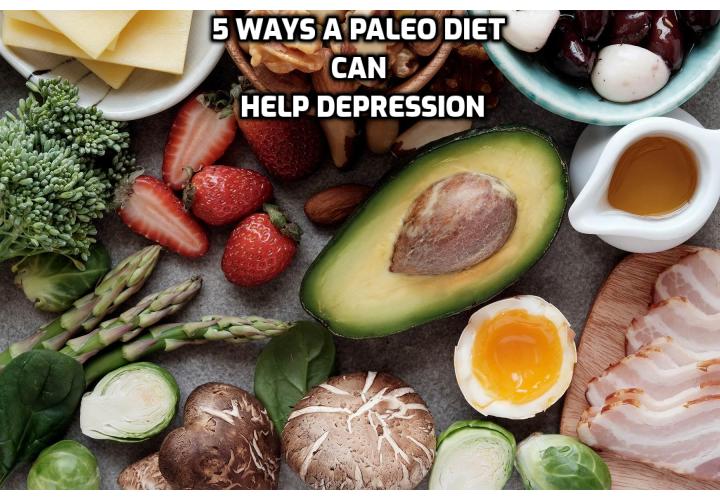
Diet and Depression – 5 Ways A Paleo Diet Can Help Depression


Diet and Depression - The causes of low mood and depression are multi-factorial, however the current research has highlighted some interesting areas that may be significantly impacting your mental health.  Let’s take a look at how several dietary factors impact depression and how a Paleo approach can help re-balance these areas of deficiency.


Click HERE to Discover these 80 Keto-Friendly and Healthy Slow Cooker Recipes


When I began my clinical practice, I didn’t have a lot of experience with treating depression. However, as my client population grew I quickly realized just how many people were either suffering from depression currently, or had experienced a significant bout in the past.

In fact, the number of people diagnosed with depression increases by 20% every year. What can you do to fend off this debilitating mood disorder?

The causes of low mood and depression are multi-factorial, however the current research has highlighted some interesting areas that may be significantly impacting your mental health.

Let’s take a look at how several dietary factors impact depression and how a Paleo approach can help re-balance these areas of deficiency.

Balance Blood Sugars & Insulin

There is a growing connection between high blood sugars, insulin dysfunction and the increased incidence of depression. In Finland, a recent study found that young men with insulin resistance were three times more likely to suffer from severe depression.


Unfortunately, most people are not tested for insulin or blood sugar dysfunctions when they complain to their doctor about low mood or depression.

A study in Diabetes Care of over 4,000 people found that anti-depressant medications did not alter the association between depression and insulin.

Adopting a low-carb Paleo approach, on the other hand, can improve your insulin levels very quickly. If you are overweight or have elevated blood sugars, a high-proteinlow-carb healthy diet will likely make you feel better physically and mentally.

Correct Low Vitamin D

The association between low serum Vitamin D concentrations and symptoms of depression has been very well established. Studies show an inverse relationship between vitamin D status and risk of depression.

If you live in a northern climate with true winters or train frequently you are more susceptible to low vitamin D levels. The Vitamin D Council recommends keeping levels between 100-150nmol/L (greater than 40ng/mL) for optimal health and athletic recovery.

It’s difficult to obtain adequate vitamin D from foods to meet these levels through the winter months, but a Paleo diet will give you the best chance.

To keep your vitamin D levels from plummeting, increase your intake with these 5 vitamin D rich foods:

  • Cod Liver Oil – 1,400 IU per tbsp. (your grandma knew best!)
  • Cold-Water Fatty Fish – trout (645 IU per 3 oz), salmon, or mackerel
  • Mushrooms – Portobello (375 IU per mushroom) or Maitake
  • Pork – 78 IU per 3 oz. serving
  • Eggs – 44IU per egg

Restore Omega 6 and Omega 3 Balance

While most people know the benefits of omega-3 fats for cardiovascular health, many don’t know they are also critical for supporting positive mood and reducing the incidence of depression.

Researchers believe that both cardiovascular disease and depression share key physiological mechanisms, such as increased production of pro-inflammatory cytokines, dysfunction of the inner most lining of arteries and veins (endothelium), and increased levels of inflammatory marker homocysteine.

A Paleo diet is centered on grass-fed and wild game meats, which are naturally high in omega-3 (grass-fed beef has the same amount of healthy omega-3 fats as salmon!) A Paleo diet also naturally reduces omega-6 rich pro-inflammatory vegetable oils by steering you clear of processed foods and snacks.

To ensure you have the optimal ratio of omega-6 to omega-3 fats, add more grass-fed and wild game meats, ocean fresh fish, and omega-3 rich nuts like walnuts and macadamia nuts (far and away the nut with the highest amount of omega-3s).

Cool Inflammation

The connection between inflammation and depression has been gathering a lot of momentum in the research community. A recent study found that when animals are given pro-inflammatory cytokines, they develop significant apathy, appetite loss, diminished desire to socialize, and display greater sensitivity to pain.5 These are all characteristics seen in humans with major depression.

It seems greater levels of systemic inflammation in the body are associated with increased risk of depression. But what drives this low-grade inflammation and production of pro-inflammatory cytokines?

The root cause is multi-factorial; inflammation can stem from a combination of weight gain, excessive sugar consumptiondigestive problems, chronic infections, stress, a sedentary lifestyle, poor sleep, smoking and key nutrient deficiencies (vitamin CB vitaminsvitamin Dzinc, and omega-3).

While this is an extensive list of contributing factors, you can start protecting yourself by increasing your intake of antioxidant rich foods. A Paleo diet, rich in vegetables and fruits, helps cool the fires of inflammation.

Be sure to include “all colors of the rainbow” on your plate to ensure a robust intake of antioxidants and help extinguish the low-grade inflammatory fires in the body caused by free radical molecules.

Boost Low Testosterone

Testosterone is not just important for your libido and building lean muscle, it’s also critical for bone health, cardiovascular health, and combatting depression. Today’s 24/7 society means most people are indeed “burning the candle at both ends” and the result is lower levels of testosterone.

This is classically seen in athletes training at high-intensity but can also result from long hours at the office, lack of sleep, and increased mental stress.

Recently, a study reviewed the medical records of almost 300 men over a two-year period that complained of low libido and had no diagnosis of depression. Over the two-year span, men with low testosterone were four times more likely to be diagnosed with clinical depression.

This is not just a problem for men. Mood changes, irritability, and depression are also common in women with low testosterone.

Adopting a Paleo diet can be highly effective for restoring normal testosterone levels. Increase your intake of healthy saturated fats – like butter, coconut oil, and animal fats – to provide your body the building blocks it needs for optimal testosterone.

 A Paleo diet is also a terrific source of zinc, an essential mineral that acts directly on the testes and ovaries to increase testosterone levels. Grain-based diets contain higher levels of phytates that bind minerals like zinc and reduce absorption.

Support testosterone levels by adding zinc-rich foods like oysters, beef, lamb, crab, and dark chocolate.

If you suffer from low mood or depression, then talk to your doctor about some of these key nutrients that should be evaluated to support the best clinical outcome.

Poor blood sugar control, low vitamin D, and insufficient omega-3 intake can all contribute to increased levels of inflammation that are associated with increased risk of depression. Hormonal factors like low testosterone can also play a large role so get your levels tested.

For some, medications can provide the necessary relief to implement these strategies but addressing the root cause is always best practice, so talk to your doctor or naturopath about the right personalized approach for you.

Watch this video –Diet and Depression : Here’s a Diet That Treats Depression


Written by Dr Marc Bubbs

Author Bio:

Dr. Marc Bubbs, ND is a Naturopathic Doctor, Strength Coach, Author, Speaker, and Blogger practicing in Toronto, Canada. He believes that diet, exercise, and lifestyle factors have the most profound impact on your overall health and performance.

Marc is the author of The Paleo Project – A 21st Guide to Looking Leaner, Getting Stronger, & Living Longer and currently serves as the Sports Nutrition Lead for Canadian Men’s Olympic Basketball Team.

A lot of people have gotten results from the Keto diet, and enjoyed the foods that it has to offer. However, many of the people who are following this diet have a hard time finding the recipes that they need, especially ones that are quick and easy to complete.

Fortunately, Kelsey Ale, noticed this problem, and decided to do something about it. She’s found that making recipes in a slow cooker gives you meals which are not only delicious, but also take very little time to make. Mostly you just put a few simple ingredients in the slow cooker, and let it do the rest.

To find out more, click on – Keto Slow Cooker Cookbook

Related Posts Plugin for WordPress, Blogger...